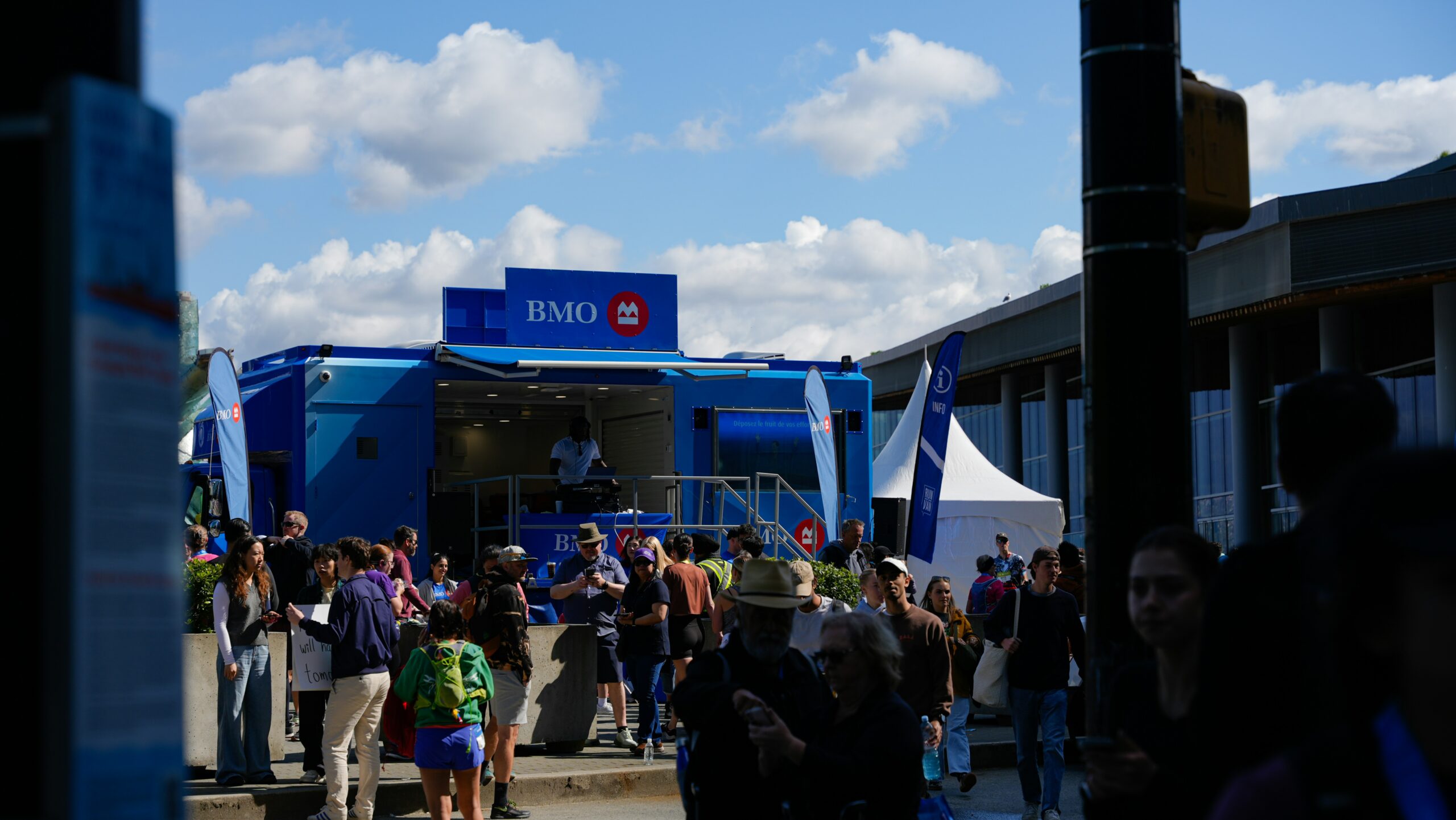

Outdoor event internet access in Essex is one of those logistical challenges that catches even experienced event organisers off guard. Indoor venues at least have a fighting chance of existing infrastructure. Take your event outside, into a field in the Blackwater Estuary, a woodland site near Epping Forest, or an open ground in the Tendring district, and the options narrow considerably. The good news is that narrowing doesn’t mean disappearing. Here’s a clear, honest look at every option available to you and what each one actually delivers in practice.
Option 1: Rely on the Venue’s Existing Infrastructure
For outdoor venues that have permanent structures on site, a clubhouse, a barn, a pavilion, there may be some form of broadband already in place. In ideal circumstances this is the simplest solution. In practice, outdoor events rarely unfold in ideal circumstances.
The limitations are significant. Coverage rarely extends far beyond the building itself, meaning anyone operating in a marquee, across a field, or in a separate zone is effectively off the network. Capacity is usually sized for day-to-day operations, not an influx of event attendees and equipment. And if something goes wrong with the venue’s connection on the day, it’s their problem to fix, not yours, which means you’re waiting.
For small, contained events where you’re confident in the venue’s setup and your requirements are modest, this can work. For anything with scale, complexity, or genuine connectivity needs, it’s a risk.
Option 2: Mobile Hotspots and Personal Devices
Almost every event organiser has been here. The venue’s Wi-Fi isn’t up to it, so someone pulls out their phone and sets up a hotspot. It works for five minutes and then someone else connects, and then someone else, and before long you’ve burned through your data allowance and the speed has dropped to the point of being useless.
Personal mobile hotspots are built for personal use. They handle one or two devices comfortably. They are not designed for sustained multi-device event use, and the mobile network infrastructure in rural Essex, while improving, is still patchy in enough locations to make reliance on it a gamble.
Dedicated 4G or 5G routers are a step up from a phone hotspot and worth considering for very small deployments. But they still share the same underlying network as every other device in the area, which means performance at a busy outdoor event, where hundreds of attendees are also on their phones, can be unpredictable.
Option 3: Temporary Fixed-Line Broadband Installation
For longer deployments, a construction site office running for several months or a seasonal outdoor venue that operates across a full summer, a temporary fixed-line installation can make sense. You get a dedicated, stable connection that doesn’t depend on mobile signal at all.
The drawbacks are the time and cost involved. Getting a temporary line installed in Essex typically means lead times of several weeks, engineer visits, civils work in some cases, and a minimum contract period that makes it completely impractical for a one-day or weekend event. It is also worth noting that not every outdoor location can be served quickly, particularly in more rural parts of the county.
If you have the time, the budget, and the duration to justify it, this is a solid option. For the majority of outdoor events it simply isn’t viable.
Option 4: Satellite Internet
Satellite connectivity has improved dramatically in recent years, and for truly remote locations where mobile signal is non-existent, it is worth considering. Coverage is essentially universal, which is genuinely useful in the more isolated parts of Essex and East Anglia.
The practical limitations for events are latency and cost. Even modern low-earth orbit satellite services can introduce enough latency to cause issues with real-time applications like card payments and video calls. Equipment costs are higher than mobile alternatives, and setup is more involved. For most outdoor events in Essex, where mobile signal exists in some form, satellite is rarely the most practical first choice.
Option 5: Mobile Internet Pod Hire
Mobile internet pod hire has become the go-to solution for outdoor event internet access across Essex and beyond, and for good reason. It combines the coverage flexibility of mobile connectivity with a dedicated, event-grade setup that isn’t shared with the surrounding public network.
A Via Wire Pod arrives on-site ready to deploy. There are no engineer lead times, no civils work, no dependency on venue infrastructure, and no hoping the local mobile mast holds up under the weight of your attendees’ smartphones. The pod provides its own dedicated connection, distributed as stable Wi-Fi across your event space, sized for real event use rather than casual personal browsing.
It works in marquees in Maldon, on open ground in Braintree, at agricultural shows in the Colchester area, and at outdoor corporate events across the Home Counties. Anywhere you need reliable internet without a fixed line, the pod works.
So Which Option Is Right for Your Event?
For the majority of outdoor events in Essex, mobile internet pod hire is the most practical, most reliable, and most cost-effective solution when you weigh it against the alternatives. It scales to your event, it deploys without lead time, and it puts connectivity control in your hands rather than leaving it dependent on a venue or a network mast.
That said, the right answer always depends on your specific event, your location, your device count, and your connectivity requirements. Via Wire is an Essex-based IT company and we’re happy to talk through your situation and give you an honest steer, whether that points toward one of our pods or not.
Find Out More
Explore the rest of the Via Wire Pod hub for detailed information on hire options, specs, and use cases, or contact us to discuss your outdoor event internet requirements directly.

0 Comments